
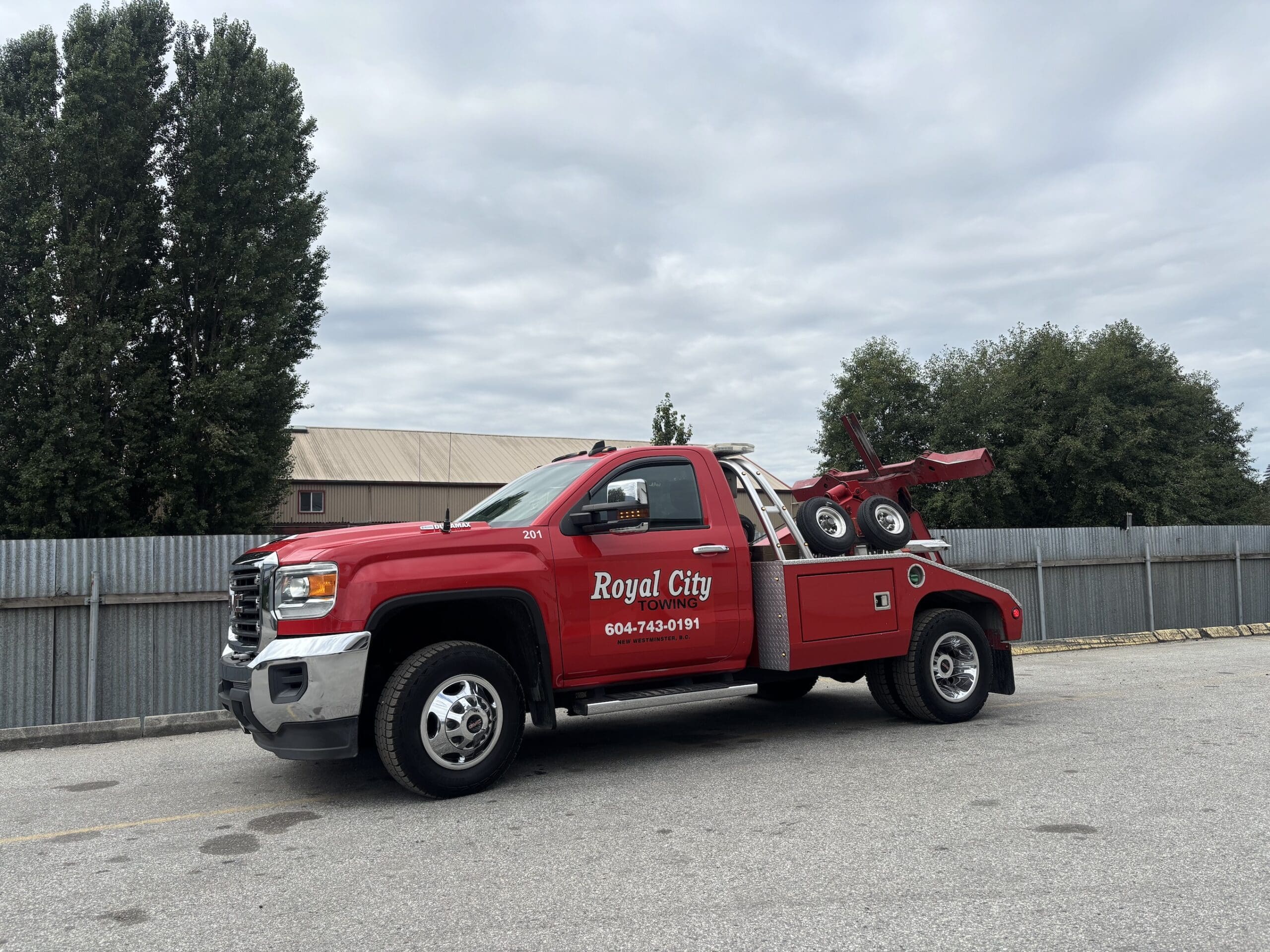
Roadside Assistance Costs in Vancouver & Burnaby: What Drivers Should Expect
We wrote this guide to help break down real pricing, what services cover, and how to make smart decisions before and during a roadside emergency in Vancouver and Burnaby.
What Roadside Assistance Usually Costs in Vancouver and Burnaby
Roadside assistance pricing in the Lower Mainland varies more than most drivers realize. The type of service, time of day, and location all play a role in the final cost.
Average Costs for Common Roadside Services
Here is a general breakdown of what drivers in Vancouver and Burnaby typically pay for common roadside services:
- Battery boost (jump start): $75–$120
- Flat tire change: $80–$130
- Vehicle lockout service: $85–$150
- Fuel delivery: $75–$110 (plus the cost of fuel)
- Winching or recovery: $150–$350+, depending on complexity
These are estimates for standard situations. Costs can go higher if your vehicle is in a difficult location, requires special equipment, or needs service after regular business hours.
Typical Towing Price Ranges in the Lower Mainland
Local towing in Vancouver and Burnaby generally starts between $100 and $150 for a hookup fee, with an additional per-kilometre rate of roughly $3 to $6. A short trip of 10 to 15 kilometres within the city might cost $150 to $250. Longer tows across the Lower Mainland can easily reach $300 to $500 or more, depending on distance and vehicle type.
Why Prices Vary Between Situations
No two roadside emergencies are exactly the same. A compact car stuck on a flat road during a sunny afternoon costs far less to assist than an SUV wedged in a flooded underground parking stall at midnight. Pricing reflects the real-world complexity of each job, including the time, equipment, and safety risks involved.
What Is Included in Roadside Assistance Services?
Roadside assistance covers a range of services designed to get you moving again without needing a full tow. Royal City Towing offers all of the following across Greater Vancouver and the surrounding Lower Mainland.
Battery Boost and Dead Battery Assistance
A battery boost (also called a jump start) is one of the most common roadside calls. A technician arrives with jumper cables or a portable battery pack and gets your engine running again on the spot. If the battery is too far gone to hold a charge, you will likely need a replacement, which is a separate cost.
Flat Tire Changes
If you have a usable spare in your trunk, a roadside technician can swap out the flat tire and get you back on the road quickly. If your spare is also flat, damaged, or missing entirely, the vehicle will need to be towed.
Vehicle Lockout Services
Locking your keys inside your car happens more often than people expect. Roadside lockout service involves a trained technician using specialized tools to safely open your vehicle without damaging the lock or window. Royal City Towing provides car unlock service across the Lower Mainland.
Fuel Delivery Assistance
Running out of gas is embarrassing but common. A fuel delivery service brings enough fuel to get your vehicle to the nearest gas station. You pay for the service call plus the cost of the fuel delivered.
Emergency Towing Services
When a vehicle is damaged due to an accident and cannot be turned on the spot or repaired so it can be driven off, it needs to be towed. Royal City Towing offers emergency towing available 24 hours a day, seven days a week. Flatbed towing is often used for all-wheel drive vehicles, low-clearance cars, and vehicles with significant damage.
Winching and Recovery Services
If your vehicle has gone off the road, slid into a ditch, or is stuck in mud or snow, standard towing equipment may not be enough. Winching and recovery uses a cable and pulley system to pull the vehicle back onto solid ground before it can be loaded and transported.
What Factors Affect Roadside Assistance Costs in BC?
Vehicle Size and Weight
Larger and heavier vehicles cost more to tow and recover. A pickup truck, van, or SUV requires heavier equipment than a standard sedan. Commercial vehicles, buses, and heavy machinery fall into heavy-duty towing territory, which carries its own pricing structure.
Distance and Towing Destination
The farther your vehicle needs to go, the more it costs. Most towing companies charge a base hookup fee plus a rate per kilometre. Long-distance towing, for example, from Vancouver to Whistler or the Fraser Valley, can be a significant expense.
Downtown Vancouver Traffic and Access
Towing in downtown Vancouver comes with unique challenges. Narrow streets, one-way roads, heavy pedestrian traffic, and limited parking for tow trucks all slow down response times and make certain recoveries more complicated. These factors can add to your total cost.
Underground Parking Recovery Challenges
Underground parkades present one of the most difficult environments for towing. Low ceilings limit which equipment can enter, tight corners make maneuvering difficult, and some vehicles park in spots that are nearly impossible to reach without specialized tools. Royal City Towing has dedicated underground towing and recovery services to handle exactly these situations.
Time of Day and Emergency Dispatch Calls
As with most after-hours services, like evenings, nights, weekends, and holidays, there is typically an extra charge attached. These times typically cost more than daytime calls. Emergency dispatch during peak traffic periods can also increase wait times and, in some cases, pricing.
Weather Conditions and Winter Demand
Demand for roadside assistance spikes during bad weather. Rain, ice, and snow lead to more accidents, more battery failures, and more vehicles getting stuck. During a major winter storm, wait times can be longer, and some companies charge a premium for hazardous conditions.
Specialized Towing Equipment Requirements
Not every vehicle can be towed with a standard hook and chain. All-wheel drive vehicles, electric cars, low-profile sports cars, and motorcycles often require flatbed towing or special tie-down equipment. Flatbed towing and motorcycle towing are both available through Royal City Towing.
Why Some Towing Situations Cost More Than Drivers Expect
Accident Recovery Versus Standard Towing
Recovering a vehicle after a collision is more complex than a standard breakdown tow. The vehicle may be in an unsafe position, leaking fluids, or partially obstructing traffic. Extra time, safety precautions, and sometimes additional equipment all contribute to higher costs.
Highway Breakdowns and Unsafe Roadside Conditions
Breaking down on a highway like Highway 1 or the Trans-Canada near Burnaby is a safety emergency. Tow truck operators must set up traffic control measures, work quickly in fast-moving traffic, and sometimes wait for police to assist. These factors all increase the complexity and cost of the job.
Heavy-Duty Towing Requirements
Towing a bus, a large commercial truck, or a piece of construction equipment requires a different class of tow truck entirely. Royal City Towing offers heavy-duty towing with the right equipment for the biggest jobs, but heavy-duty pricing reflects the size and power of the vehicles involved.
Delays Caused by Bridge Traffic and Congestion
The Lower Mainland’s bridge network is a constant source of delays. Getting a tow truck across the Pattullo Bridge, the Port Mann, or into downtown Vancouver during rush hour can add significant time to your wait. Drivers should factor this reality into their expectations, especially during evening commute hours.
Roadside Assistance vs Full Towing: What’s the Difference?
Roadside assistance refers to on-site services that aim to fix the immediate problem without moving your vehicle. A battery boost, tire change, fuel delivery, or lockout service are all forms of roadside assistance. The goal is to get you driving again without a tow.
Full towing means your vehicle is loaded onto a truck and transported somewhere else, typically a repair shop, dealership, or storage facility. Towing is required when the problem cannot be fixed on the spot.
Many calls start as a roadside assistance request and end up requiring a tow once the technician assesses the situation. Understanding the difference helps set realistic expectations before help arrives.
Situations Where Roadside Assistance Can Solve the Problem Without a Tow
Dead Batteries
A dead battery is one of the most common and most fixable roadside problems. In most cases, a boost will start the vehicle and let you drive to a shop for a battery test or replacement. Royal City Towing offers battery boost service throughout the Lower Mainland.
Minor Tire Problems
If you have a flat tire and a good spare, a technician can change it roadside and have you moving in under 30 minutes. This is a straightforward fix that does not require a tow.
Vehicle Lockouts
A locked car door with keys inside is almost always solvable on the spot. A trained technician with the right tools can open most vehicles safely and quickly.
Fuel-Related Issues
Running out of gas is a quick fix. A fuel delivery service will bring enough fuel to get you to the next station. In most cases, no tow is needed.
Situations That Usually Require Professional Towing
Engine Overheating
If your engine has overheated, driving the vehicle further risks serious damage. Once the cooling system fails, the car needs to be towed to a shop where a mechanic can diagnose the underlying issue safely.
Transmission Failure
A transmission failure typically means the vehicle cannot be driven safely or at all. Towing is required, and flatbed towing is often recommended to avoid further damage to drivetrain components.
Collision Damage
Any vehicle involved in a collision should be inspected before being driven again. Structural damage, airbag deployment, and hidden mechanical damage all make towing the safest and most responsible option.
Suspension or Axle Damage
A broken axle or suspension component makes the vehicle undrivable. These types of failures require towing to a shop where the damage can be properly assessed and repaired.
Electric Vehicle System Issues
Electric vehicles with battery management system errors, charging failures, or software faults often cannot be driven until the issue is diagnosed. EVs also require special consideration during towing; most must be transported on a flatbed to protect the battery and drivetrain.
Hidden Charges Drivers Should Know About Before Calling for Roadside Assistance
After-Hours Service Fees
Evening, overnight, and weekend calls often carry an additional fee on top of the base rate. Always ask about after-hours pricing when you call.
Underground Parkade Extraction Costs
As mentioned earlier, underground parking recovery is more complex and time-consuming than street-level service. Expect to pay more for parkade extractions due to specialized equipment requirements and longer service times.
Long-Distance Towing Charges
If your vehicle needs to travel a significant distance across the Lower Mainland or into the Fraser Valley, the per-kilometre charges add up quickly. Confirm the destination rate before agreeing to service.
Vehicle Storage Fees
If your vehicle needs to be stored at a towing facility after being recovered, storage fees apply. Royal City Towing offers secure vehicle storage at multiple locations, but drivers should be aware that daily storage rates begin accruing quickly, especially if the vehicle is towed after a collision or impound situation.
Recovery and Winching Costs
Winching is not always included in a standard towing fee. If your vehicle is off the road, in a ditch, or stuck in a difficult position, recovery charges are applied separately and reflect the additional time and equipment required.
How Vancouver Traffic and Burnaby Road Conditions Affect Response Times
Vancouver and Burnaby are dense, traffic-heavy areas. During rush hours, roughly 7 to 9 a.m. and 4 to 7 p.m. on weekdays, response times for roadside assistance can stretch significantly. Bridge chokepoints, highway on-ramps, and narrow city streets all slow dispatch times.
Royal City Towing operates out of multiple locations in the Lower Mainland, including Burnaby, Coquitlam, Port Coquitlam, and Port Moody, which helps reduce travel times across service areas. Calling as early as possible and giving an accurate location always helps speed things up.
Seasonal Roadside Assistance Challenges in BC
Winter Battery Failures
Cold weather is hard on car batteries. Batteries that are borderline in fall often fail completely when temperatures drop. Battery-related calls increase significantly from November through February in the Lower Mainland.
Snow and Ice Recovery Situations
While Greater Vancouver does not get heavy snowfall every year, when it does, the region sees a dramatic surge in accidents and stuck vehicles. Vehicles slide off roads, get high-centred on compacted snow, or become stuck in uncleared driveways and parking lots. Winching and recovery demand spikes on these days.
Summer Overheating Problems
Hot summer weather puts extra stress on cooling systems. Older radiators, worn water pumps, and low coolant levels that go unnoticed in mild weather can cause serious overheating during heat waves. June through August sees a noticeable increase in overheating-related tow calls.
Holiday Travel Demand Spikes
Long weekends, including BC Day, Labour Day, and the Christmas and New Year period, bring significantly higher call volumes. If you are planning a road trip around a holiday, make sure your vehicle is in good shape beforehand and have a roadside assistance number saved in your phone.
Are Membership Roadside Assistance Plans Worth It?
Pay-Per-Use Versus Annual Memberships
Drivers have two main options: pay for roadside assistance as needed (per incident) or purchase an annual membership through a program like BCAA. Annual memberships typically cost $100 to $200 per year and cover a set number of service calls.
Drivers Who Benefit Most from Memberships
Memberships make the most financial sense for drivers who use older vehicles, frequently drive long distances, live in areas with harsh winters, or have had multiple roadside incidents in past years.
When Memberships May Not Provide Enough Coverage
Membership plans often have limits on towing distance, service call frequency, and the types of situations they cover. Underground recovery, heavy-duty towing, and long-distance hauls may not be included. In those cases, calling a local towing company directly, such as Royal City Towing, may be the better choice.
Does Insurance or ICBC Help Cover Towing Costs?
Accident-Related Towing Situations
If your vehicle is towed as a direct result of a collision, ICBC may cover the towing cost depending on your coverage level. Basic Autoplan does include some accident-related towing coverage, but the details depend on your specific policy and the circumstances of the claim.
Optional Roadside Coverage Plans
ICBC and some private insurers offer optional roadside assistance add-ons that cover basic services like boosts, lockouts, and flat tire changes. These plans vary in what they include, so it is worth reading the fine print before you need them.
Important Limitations Drivers Should Know
Even with ICBC or insurance-linked roadside coverage, there are limits. Long-distance towing, specialty vehicle recovery, underground parkade extraction, and storage fees often fall outside standard coverage. Drivers may end up paying the difference out of pocket.
How to Choose a Reliable Roadside Assistance Company in Vancouver
Local Experience and Dispatch Knowledge
A company that knows the Lower Mainland’s streets, bridges, and traffic patterns will reach you faster and handle local challenges more effectively. Royal City Towing has over 30 years of experience serving New Westminster, Burnaby, and the surrounding region.
Proper Licensing and Insurance
Always confirm that the towing company you call is properly licensed and insured in British Columbia. This protects you if something goes wrong during the service.
Transparent Pricing Practices
Reputable companies provide clear pricing before the work starts. Be cautious of any company that is vague about rates or adds unexpected fees after the job is done.
Response Time Expectations
Ask for an estimated arrival time when you call. A local company with multiple dispatch locations, like Royal City Towing’s facilities in Burnaby, Coquitlam, Port Coquitlam, and Port Moody, can typically reach you faster than a centralized operation.
Tips to Avoid Expensive Roadside Emergencies in Vancouver and Burnaby
Regular Battery Testing
Most auto parts stores and many mechanics will test your battery for free. If your battery is more than three to four years old, getting it tested before winter is a smart move that could save you a service call on a cold morning.
Seasonal Tire Inspections
Check your tires every season. Look for low tread, uneven wear, and cracks in the sidewall. Keeping tires properly inflated reduces the risk of a blowout and improves fuel economy.
Monitoring Warning Lights Early
Warning lights exist for a reason. Ignoring a check engine light, a temperature warning, or a low oil pressure indicator is how small problems become expensive breakdowns. Address warning lights early, before they strand you on the road.
Preventative Maintenance Before Long Trips
Before any long drive, especially over a holiday weekend or into remote areas, have your fluids, belts, hoses, and brakes checked. A few minutes at the shop can prevent hours on the shoulder of a highway.
Emergency Towing Services in Vancouver and Burnaby
Royal City Towing provides 24/7 emergency towing across Vancouver, Burnaby, New Westminster, Coquitlam, Port Coquitlam, and Port Moody. Whether you have been in an accident, broken down on a major road, or need immediate assistance with a vehicle that cannot be driven, the team is ready to respond around the clock.
For emergency towing in Burnaby and Vancouver, call Royal City Towing at 604-743-0000
Fast Roadside Assistance for Breakdowns Across the Lower Mainland
From battery boosts to flat tire changes to car unlock service, Royal City Towing offers comprehensive roadside assistance across the Lower Mainland. With multiple dispatch locations and experienced drivers who know the region, Royal City gets to you faster and handles the job right the first time.
FAQs About Roadside Assistance Costs in BC
How much does roadside assistance cost in Vancouver?
Basic roadside services like battery boosts, tire changes, and lockouts typically range from $75 to $150 in Vancouver, depending on the service and location. Towing starts around $100 to $150 for the hookup plus a per-kilometre charge.
Is towing included with roadside assistance?
Not always. Roadside assistance covers on-site fixes. If the technician cannot resolve the problem without moving your vehicle, towing is a separate service with its own charge.
Why does underground parking towing cost more?
Underground parkades have low ceilings, tight turns, and limited access. Specialized equipment is required, the job takes longer, and the risk of vehicle damage is higher. These factors are reflected in the pricing.
Does ICBC cover towing after an accident?
Basic ICBC Autoplan coverage includes some accident-related towing. However, coverage limits vary, and situations like long-distance towing or specialty vehicle recovery may not be fully covered. Check your policy or contact ICBC directly.
Are EV towing services more expensive?
Electric vehicles generally need to be transported on a flatbed rather than wheel-lifted, which can add to the base cost. Some EV-specific towing considerations — such as protecting the battery system also require extra care during transport.
How long does roadside assistance usually take?
Response times vary based on location, traffic, time of day, and demand. In normal conditions across the Lower Mainland, Royal City Towing tries to respond as quickly as possible. During storms, rush hour, or holiday weekends, wait times may be longer.
Can roadside assistance fix a dead battery on-site?
In most cases, yes. A battery boost can start a vehicle with a weak battery, so you can drive to a shop. If the battery is completely failed and will not hold a charge, a replacement will be needed, which may require a separate appointment at a mechanic.
What increases towing costs in Burnaby and Vancouver?
Higher costs are typically caused by:, underground or difficult-access locations, larger or specialty vehicles, long-distance destinations, accident recovery situations, and bad weather conditions that increase complexity and demand.